Post-Construction Cleaning Phases Guide
Post-Construction Cleaning Phases Guide
Construction work always leaves a mark. Even the best projects end with dust in the air and debris on the ground. New walls look sharp, but residue clings to surfaces. Floors shine, yet fine particles settle back within hours. This stage often gets overlooked, but it matters more than most realize. Post-construction cleaning is what turns a worksite into a usable space. It follows a phased process, each step designed to handle a specific type of mess. This guide explains those phases clearly, so expectations stay realistic and results stay consistent for Post-Construction Cleaning in kalamazoomi projects.
Why Post-Construction Cleaning Requires a Phased Approach
The construction mess is layered. Some debris is obvious. Other residue is stubborn and invisible at first glance. Trying to clean everything in one pass usually backfires. Dust resettles. Surfaces streak. Areas get missed.
That is why professional Post-Construction Cleaning services rely on defined phases. Each phase solves a different problem. Together, they deliver a clean, safe, and finished space.
Phase One: Site Clearing and Safety Preparation
What Happens Right After Construction Ends?
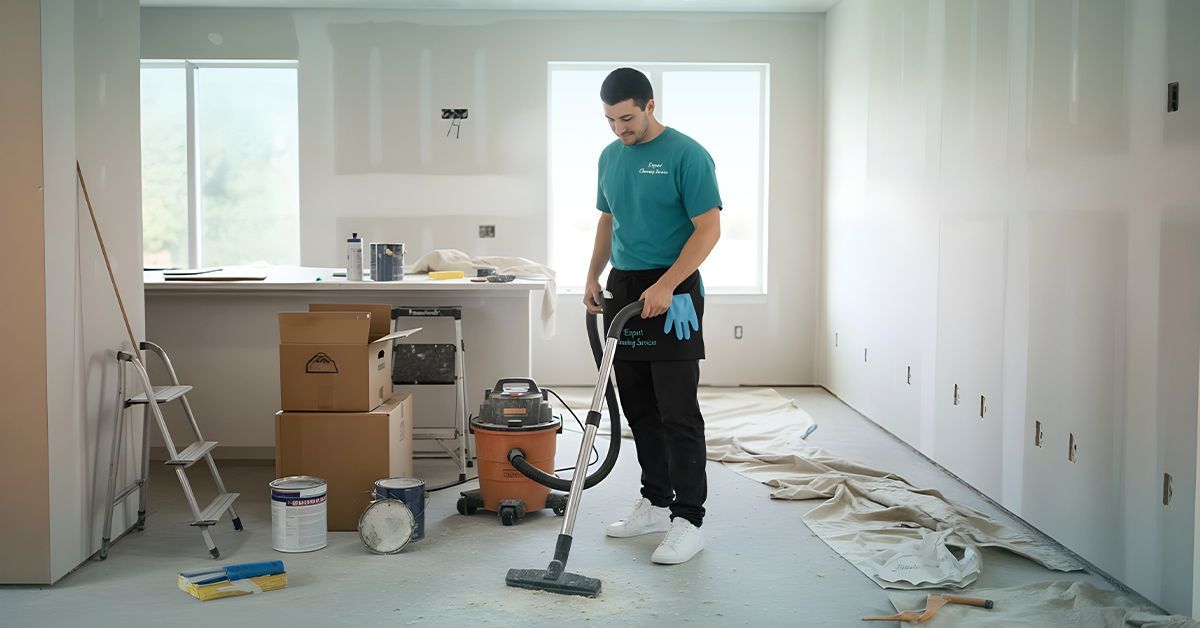
The first phase focuses on control. Construction leaves behind scraps, packaging, and loose materials. These items create hazards and block access.
This phase typically includes:
• Removal of leftover building materials
• Disposal of packaging and loose debris
• Initial sweeping of heavy dust
• Clearing walkways and work areas
The goal is not perfection yet. The goal is order.
Why This Phase Is Essential
Loose debris damages new finishes. It also slows down detailed cleaning later. Clearing the site early prevents dust from spreading deeper into the space.
For Post-Construction Cleaning, this phase sets the stage for everything that follows.
Phase Two: Dust Control and Surface Reset
Where Does Construction Dust Go?
Dust settles everywhere. It coats walls, trim, fixtures, and hard surfaces. It hides in corners and vents. If ignored, it keeps circulating through the air.
This phase tackles that fine residue.
What Gets Addressed During This Phase?
This stage focuses on thorough surface cleaning. Tasks often include:
• Wiping walls, doors, and baseboards
• Cleaning built-in shelving and cabinetry
• Removing dust from fixtures and hardware
• Addressing vents and tight spaces
Every surface gets attention. Nothing gets rushed.
Why This Phase Improves Indoor Conditions
Fine dust impacts air quality. It irritates breathing and triggers allergies. Removing it properly improves comfort and safety before occupancy.
Phase Three: Detail Finishing and Consistency Checks
What Makes a Space Feel Finished?
A finished space looks even. No streaks. No smudges. No dusty corners. This phase ensures visual consistency across all rooms.
Common tasks include:
• Final dust inspections
• Light surface polishing
• Spot treatment for marks
• Uniform cleaning across all areas
This is where the space truly comes together.
Why Visual Consistency Matters
Clean finishes highlight craftsmanship. They reflect care and professionalism. This phase ensures the space looks ready for use, not just recently cleaned.
How Phased Cleaning Protects New Construction
Preventing Early Surface Damage
Construction dust is abrasive. Left behind, it dulls finishes and scratches surfaces. Phased cleaning removes residue at the right time, using proper methods.
Supporting Long-Term Durability
Clean surfaces last longer. Proper cleaning protects investments in flooring, fixtures, and finishes.
Residential Post-Construction Cleaning Needs
Why Homes Trap More Dust
Homes have more enclosed spaces. Dust spreads through vents and settles quickly. Even small renovations affect the entire house.
Phased cleaning restores comfort and livability without lingering residue.
Commercial and Office Post-Construction Cleaning Needs
Why Commercial Spaces Require Precision
Commercial spaces must meet safety and presentation standards. Dust and debris create liability risks. Phased cleaning ensures readiness for employees and visitors.
This structured approach supports compliance and professionalism.
The Role of Professional Training in Post-Construction Cleaning
Why Construction Cleanup Is Specialized
Post-construction environments differ from lived-in spaces. Materials are new. Finishes are delicate. Residue types vary.
Professionals understand these differences. They clean accordingly.
Safety Awareness During Cleaning
Construction sites contain hazards. Proper procedures and equipment reduce risk. This protects both the property and the cleaning team.
Comparing the Three Phases of Post-Construction Cleaning
Phase - Site Clearing - Dust Control - Final Detailing
Main Focus - Debris removal - Fine residue removal - Surface consistency
Outcome - Safe access - Healthy interior - Move-in ready
Each phase builds on the last. Skipping one weakens the result.
Common Issues When Phases Are Skipped
Rushing the Process
Speed leads to missed dust. Missed dust leads to complaints later.
Ignoring Hidden Areas
Dust hides in vents and corners. Overlooking them undermines the entire cleaning effort.
Poor Timing
Cleaning before construction fully ends causes rework. Timing matters more than speed.
When Should Post-Construction Cleaning Begin?
Proper Scheduling Matters
Post-construction cleaning should begin only after all trades have completed their work. Starting too early causes dust to return. It also wastes time and effort. Waiting ensures surfaces stay clean and protected.
Aligning With Occupancy Plans
Phased cleaning supports smooth move-ins. Spaces feel ready, not rushed. This approach avoids last-minute stress and helps meet occupancy deadlines with confidence.
Why Clear Scope and Communication Matter
Defining the Cleaning Scope
A clear scope removes confusion. Each phase gets proper focus. Nothing gets skipped or rushed. This structure improves efficiency and results.
Maintaining Consistent Standards
Consistency matters across rooms. Phased processes create uniform results. Every space meets the same level of cleanliness.
Regional Considerations in Post-Construction Cleaning
How Location Impacts Cleaning Needs
Local building styles affect residue types. Climate changes how dust settles. These factors shape cleaning methods. This is especially important for Post-Construction Cleaning in kalamazoo mi projects.
Why Local Experience Improves Results
Local knowledge supports better planning. It aligns cleaning steps with regional construction practices.
Environmental and Health Considerations
Why Clean Air Matters After Construction
Fine particles linger long after work ends. Proper cleaning removes airborne contaminants.
Supporting Safe Occupancy
Clean environments protect health and preserve new materials. This step ensures safe, comfortable use.
FAQs: People Also Ask
What is included in post-construction cleaning?
It includes debris removal, dust control, and final surface detailing.
How long does post-construction cleaning take?
The timeline depends on project size and residue levels.
Is post-construction cleaning different from standard cleaning?
Yes. It targets construction dust and residue, not daily dirt.
Can post-construction cleaning improve indoor air quality?
Yes. Removing fine particles improves air quality significantly.
When is a space ready after post-construction cleaning?
Once final detailing is complete, and inspections confirm cleanliness.
A Reliable Way to Finish Any Construction Project
Construction is not complete until the space feels right. Phased cleaning bridges that gap. It removes hazards, protects finishes, and prepares spaces for real use. Skipping steps often creates problems later. For property owners who want dependable results and clear standards in Post-Construction Cleaning, structured professional care makes the difference. When a project needs to look finished, feel safe, and be truly ready, Expert Cleaning Services delivers disciplined post-construction cleaning that brings confidence to the final walkthrough and beyond.
Contact us today, and let us help you get started!
Author Bio
Expert Cleaning Services is a trusted cleaning provider with decades of hands-on industry experience delivering reliable and professional results. Established in 1987, the company has built a strong reputation for consistency, attention to detail, and long-term customer relationships. Their skilled team specializes in commercial cleaning services, house cleaning services, post-construction cleaning, residential cleaning, and janitorial cleaning, helping businesses and homeowners maintain clean, safe, and well-managed environments.